What is Your Form?
Readymade – new idea based on recognizable parts Human emotion, irony
“Figures of speech” or the “Quotes”
3% approach
A compromise between 2 district similar or dissimilar notions
Signs of “Work in process” – again human interaction
A societal commentary – has a reason to exist now
Speaking to the tourist & purist simultaneously
– Virgil Abloh
These maxims structured the 2017 Harvard lecture from the late fashion designer Virgil Abloh. His aim was to push young designers to articulate their “signature,” to stake a clear aesthetic flag in the sand.
Using what you’ve written in your manifesto, I’d like you to design a 12 page zine with a templated cover and back cover.
Grading
Your grade for this project will make up 1/4 of your grade for the class. You will be evaluated based on your capacity to curate and present a set of thoughtfully designed visual studies grounded in a single subject, a well-articulated and meaningful statement, and a composition that showcases meticulous attention and professionalism in achieving the objective.
Approach
- Formwork
- You will use the Formwork Tool to get you to make each day as quickly as possible. These should alleviate hesitation and help you resist delving into conceptual development before beginning each Daily Study. Structures should be appropriate to the designer. Consider your own habits and create empowering restrictions. Those who are good with spontaneous form making need not create overly restrictive rule. Those who tend to lean on planning or research, those who meander into rabbit holes are likely to benefit from clear and strident rules. In class you will need to…
- Create a Matrix. You will have three columns and 6 rows, it will include:
- Aesthetics: all up to you, based on the categories from your Nest!
- Compositions: Album Cover, Movie Poster, Magazine Spread, Magazine Photo, Postcard, Building,Furniture, Food Packaging, Book Cover, Record Cover, Table Setting, Artwork, a selection from a specificdesigner: Anything Eames, a Set, a Prop, studio desktop, App, Website, Renaissance / Classic Type,Victorian Broadside, Futurism Type, DaDa Type, Russian Constructivism Typographic Layout
- Content: Notable Quote, Tweet, Half Alphabet, Word, Definition, Article Excerpt, Catalogue Excerpt, Lyrics,Headline, Book Cover, Diagram, Directions, Event Announcement, Money, Clock, Calendar Segment, Sign,Movie Still, Found Photo, Portrait, Still Life, Previous work you hate, Friends work they sacrifice
- Set some Rules:
- set a time limit for gathering your Composition and Content .
- make sure your work fits on the Penguin Classics dimension (129 × 198 mm)
- set additional rules to prevent stagnation, hesitation, or unproductive obsession / topromote bravery in form making and broad leaps in output.
- Use your Matrix:
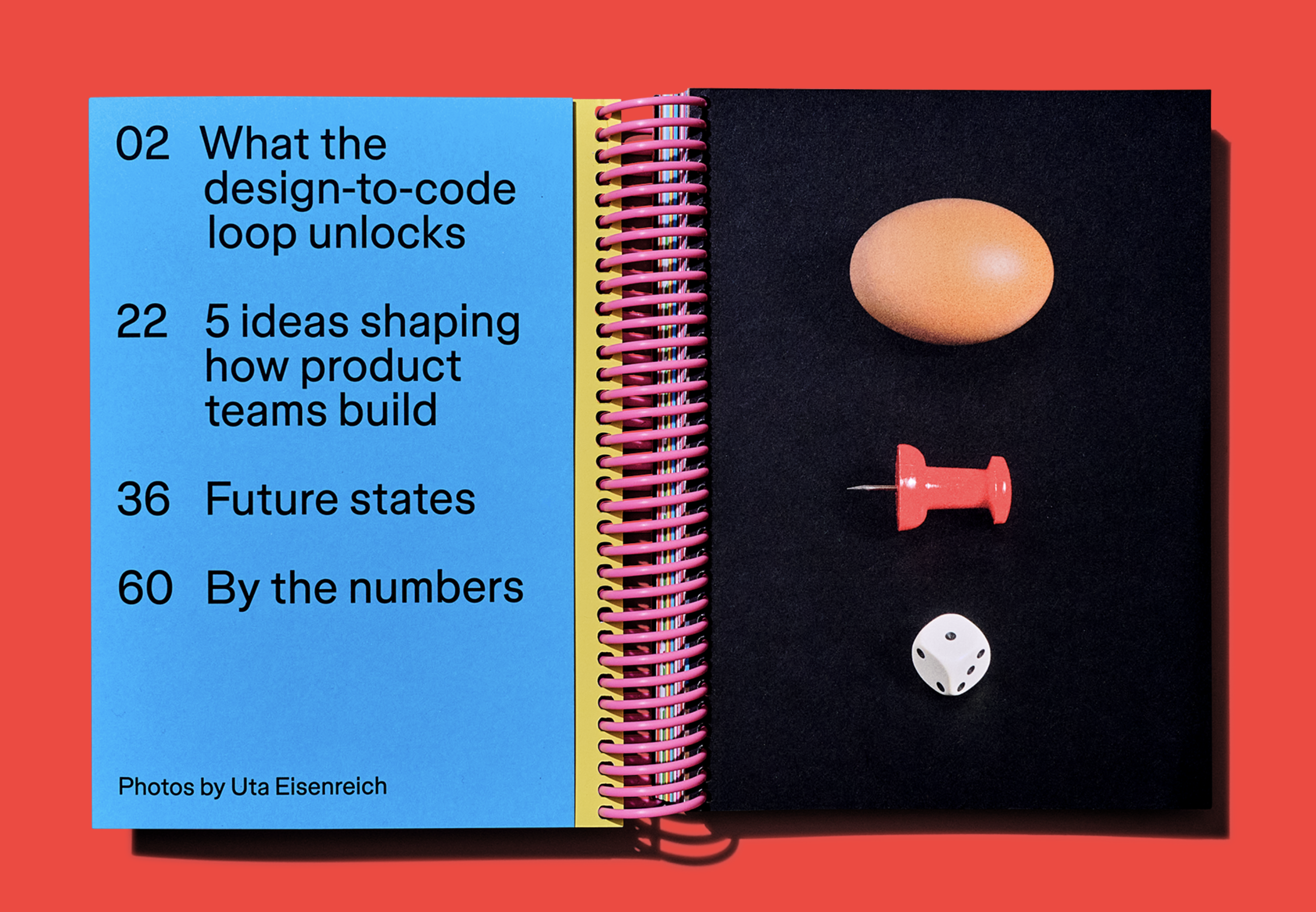
- To use the matrix you’ll roll a die. Roll it three times. First roll selects Aesthetic, Second selects Composition, Third selects Content.
- Record your list, you will need to present them with each Daily Study. You’ll need 6 topics/themes for each category.
- Create a Matrix. You will have three columns and 6 rows, it will include:
- You will use the Formwork Tool to get you to make each day as quickly as possible. These should alleviate hesitation and help you resist delving into conceptual development before beginning each Daily Study. Structures should be appropriate to the designer. Consider your own habits and create empowering restrictions. Those who are good with spontaneous form making need not create overly restrictive rule. Those who tend to lean on planning or research, those who meander into rabbit holes are likely to benefit from clear and strident rules. In class you will need to…
- Final Publication
- You will pare down your collection to 12 pages. Each page will have your composition and your "recipe" from that day's matrix. The final publication will then have:
- 12 page spread
- Dimension: 5” x 7.8”
- Please use the provided InDesign template.
- Cover and Back Cover
- Using a provided template, you will typeset your entire manifesto on the cover of your zine
- 12 page spread
- You will turn in your final publication for an in-class critique. We will make an shared class publication from our individual publication. This will be 288 pages long.
- You will pare down your collection to 12 pages. Each page will have your composition and your "recipe" from that day's matrix. The final publication will then have:
Resources
Readings
- Virgil Abloh's "What is Your Signature?"
- Elizabeth Goodspeed's "The Good, the Bad, and the Iffy"
- Ursula K. Le Guin's "The Carrier Bag Theory of Fiction"
- Mindy Seu's "On Gathering"
- Panos Kouros's "The Public Art of Performative Archiving"
- Jenny Odell's "Reading the Rocks"
- Claire Bishop's "Information Overload"